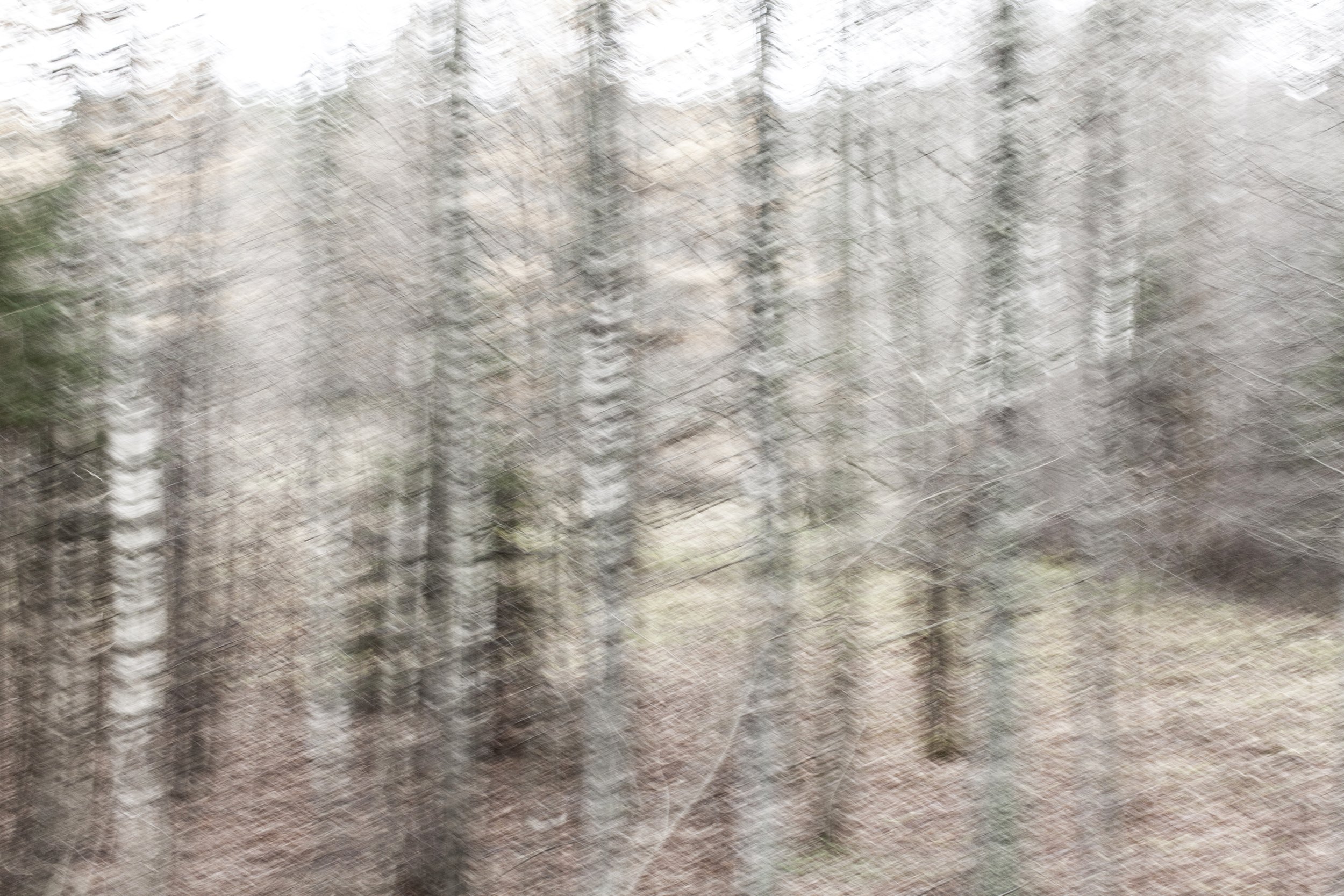
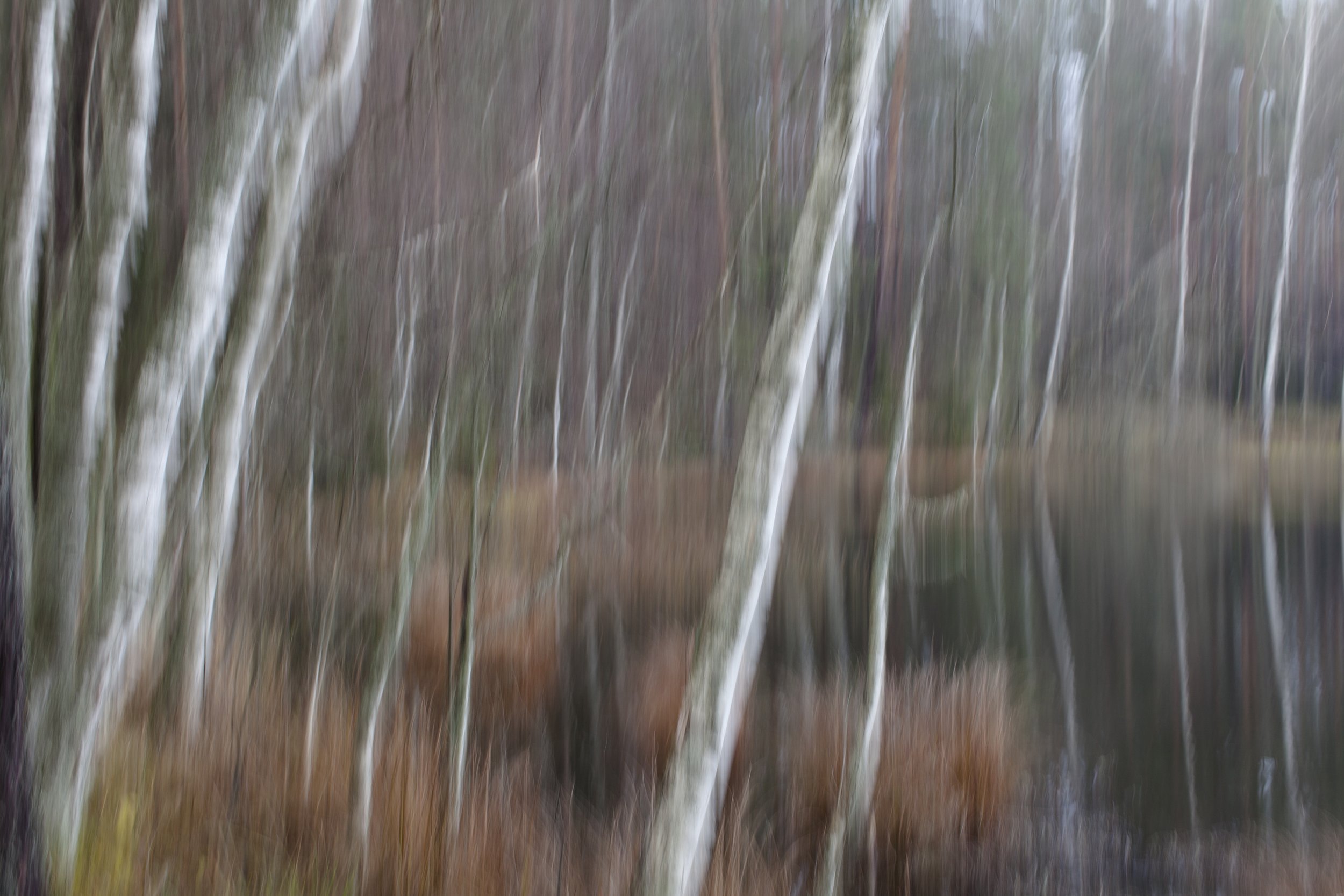
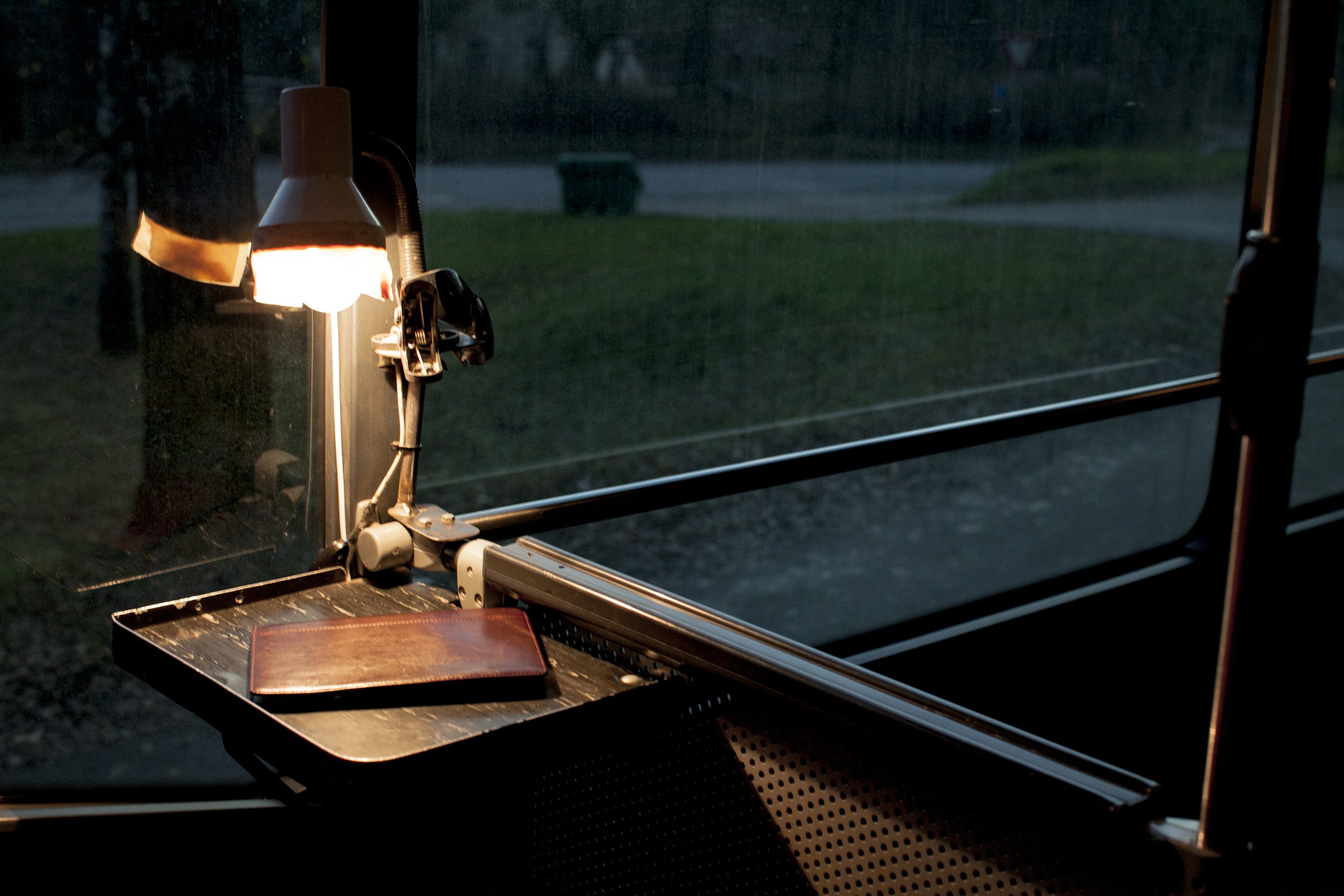
White sky for white trees
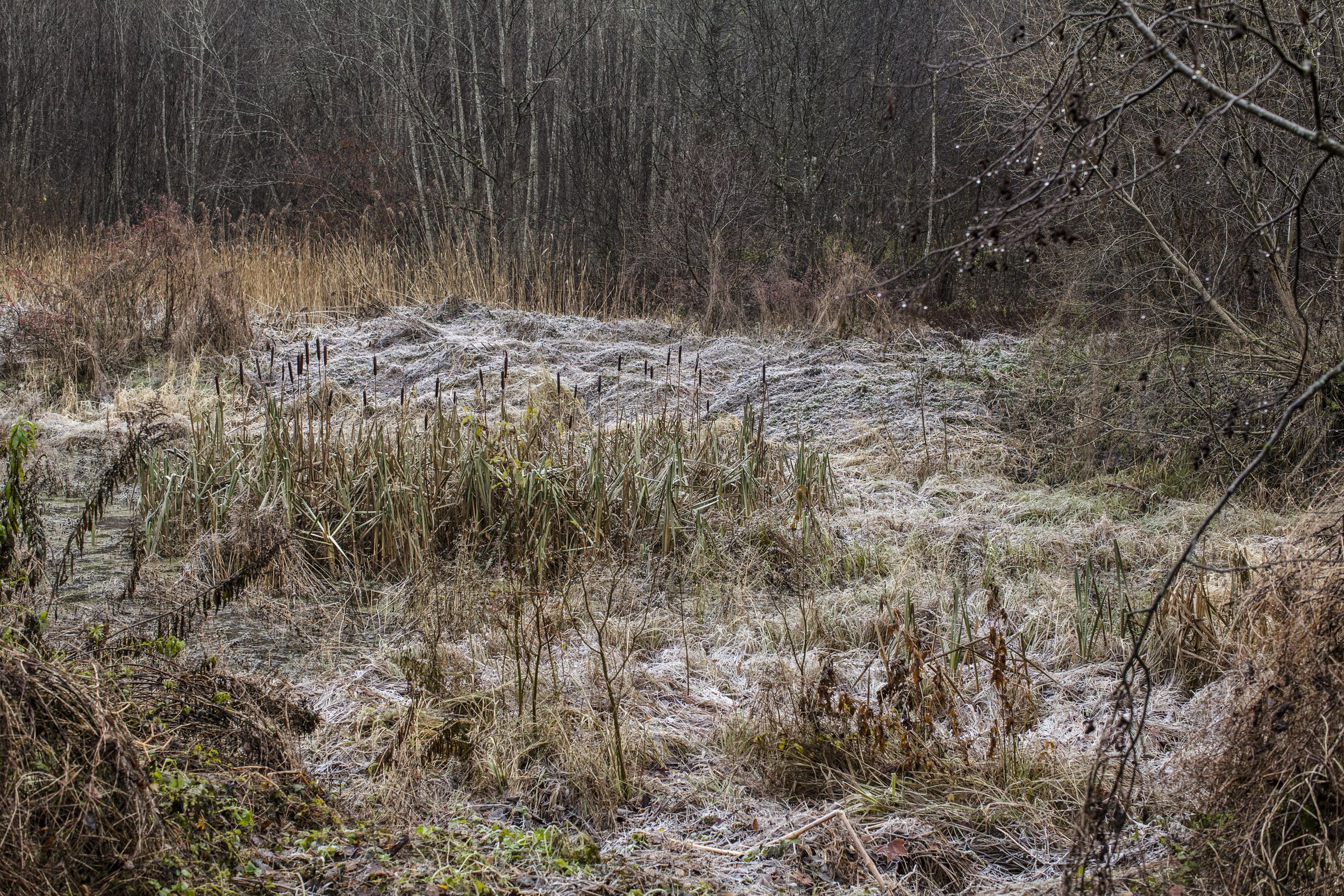
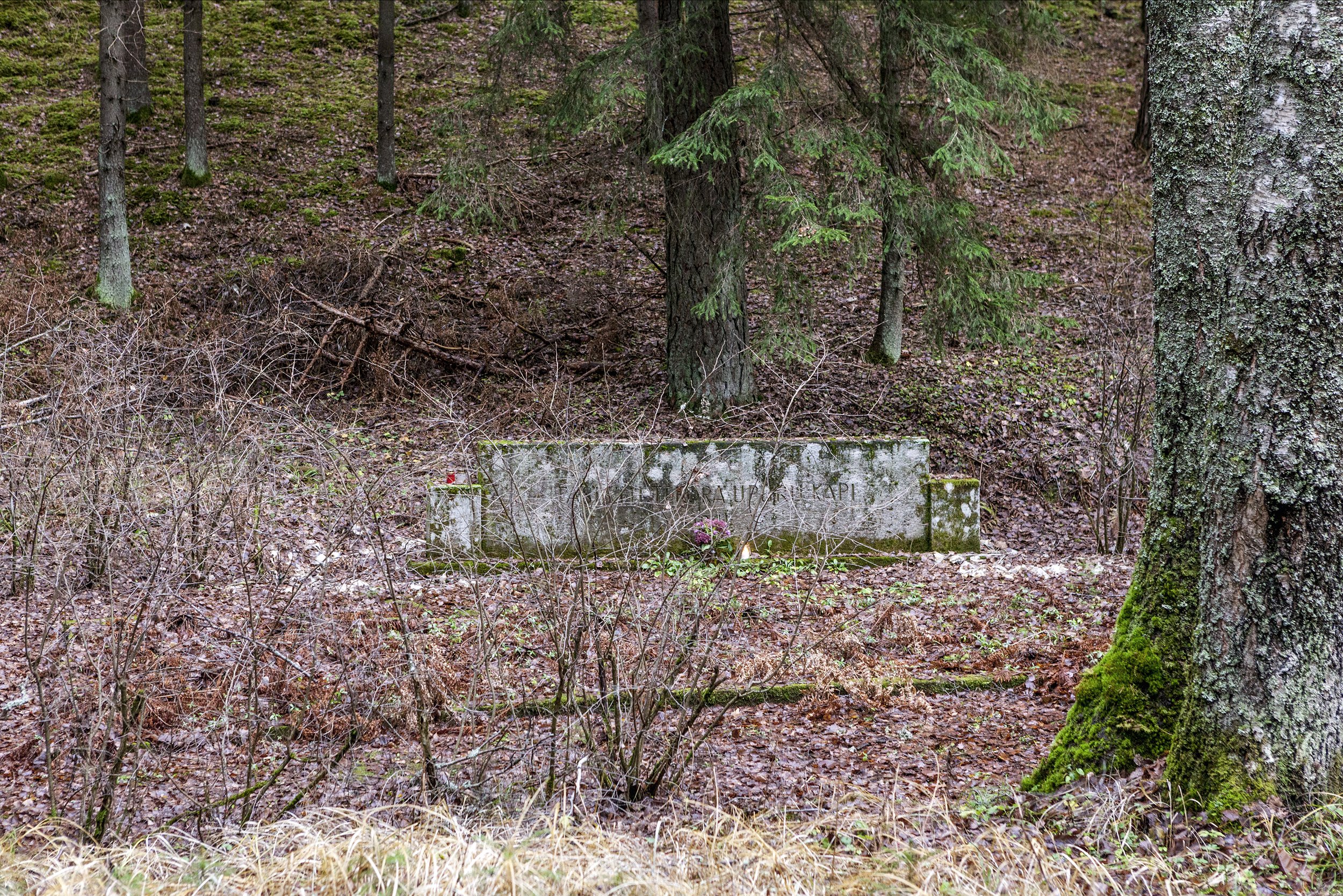
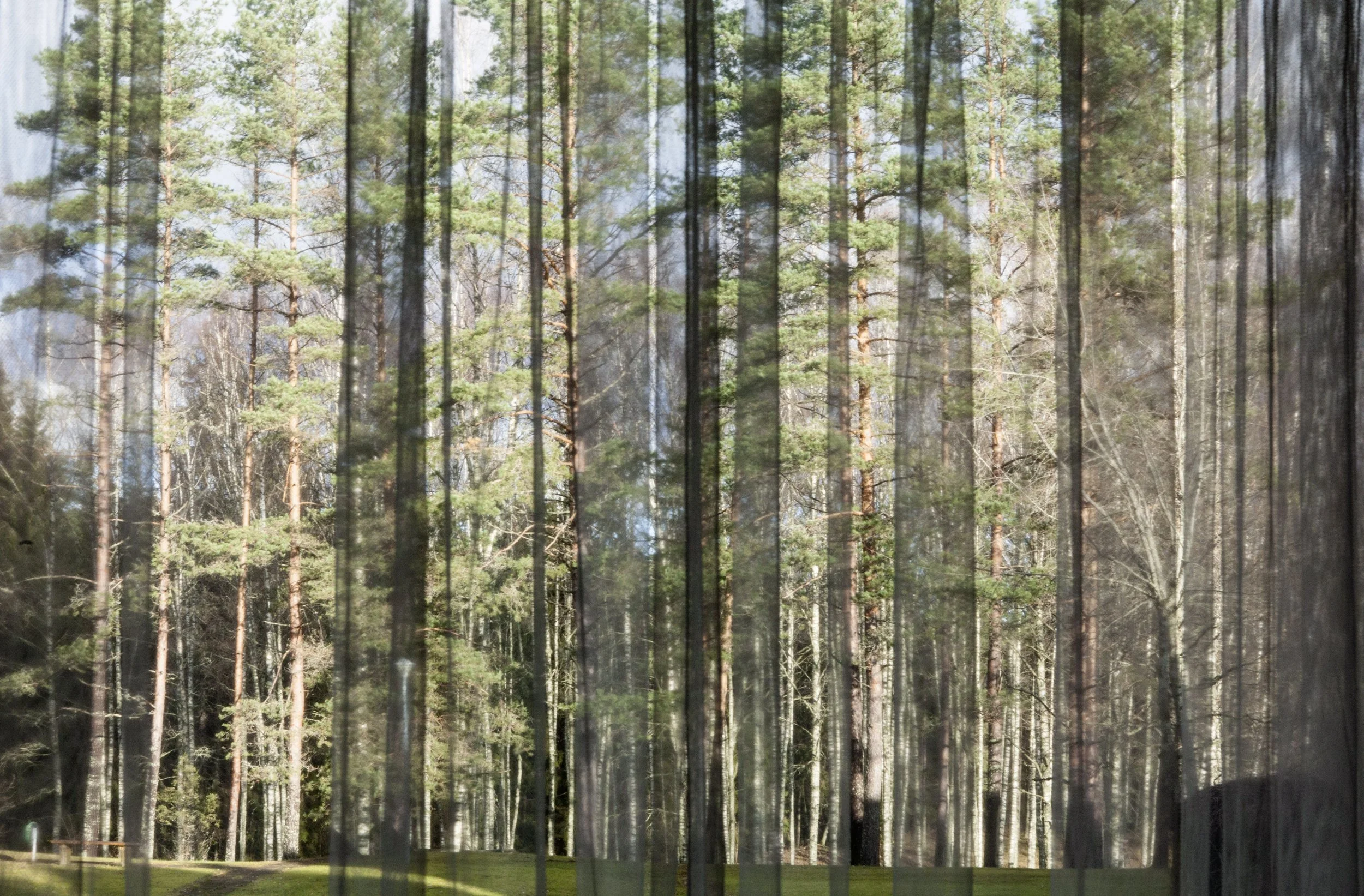
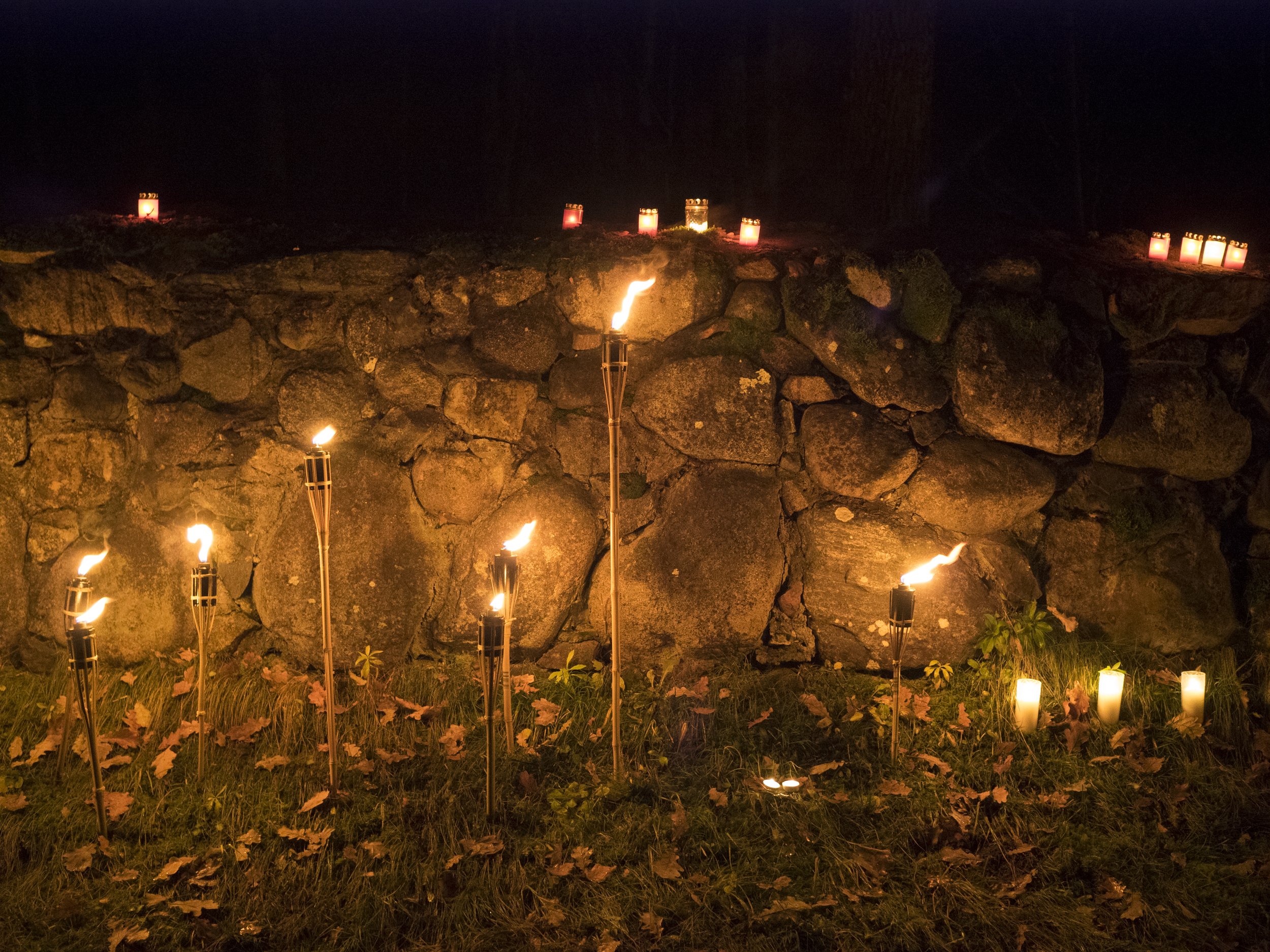
Six months after the German invasion of 1941, almost 70,000 Jews were murdered in Latvia. The scale of what is now known as the Shoah by bullets, which led to the massacre of 90% of Latvia's Jewish population, is one of the most terrible aspects of Latvian history. The rewriting of the history of the Nazi occupation by the Soviets, to their sole glory, intentionally evacuated the Jewish question. In Cesis, the stone of the Shoah memorial I discovered in the forest soberly mentions the victims of fascism. Erected in 1970 by the Soviets, it was buried under moss and branches in the woods, and the local population had lost all memory of it until chance led me there. According to historians, between 200 and 300 Jews from Cèsis and the surrounding area were exterminated near Lake Néniéris. The grave has never been excavated and the precise identity of the murderers is unknown. Only 40 victims' names have been identified. No Jewish community remains in Cesis, and the Germans burned the archives as they fled. Young Latvians are thirsty for a complete memory that includes the shadows of the past. But how can this be done when the traces are distant, the witnesses have disappeared and so many ideological overlaps have blurred the tracks?
Requiem for Cesis. Latvia. About a forgotten Holocaust memorial